Learn Spanish online, free, with stories
Follow Nuria through her new life on Calle del Pez in Madrid. Short animated scenes in Spanish, a question whenever the story pauses, one small grammar step at a time, and then you say the lines yourself.
Start free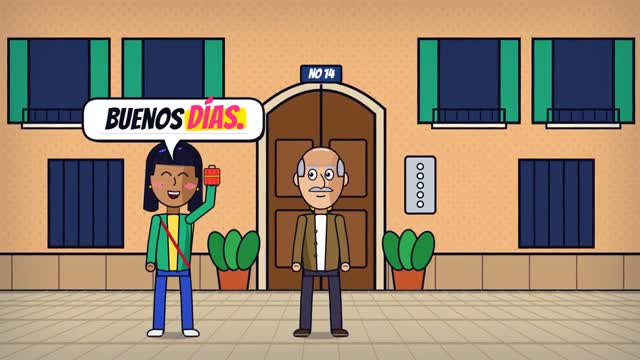
How it works
Watch a scene
A short piece of story, fully voiced in Spanish.
Answer as it plays
The scene pauses and asks what was just said.
Learn the rule
One small grammar step, with a table and examples from the scene.
Say it yourself
Record the line, play it next to the original and rate yourself.
Spanish for beginners
Never studied Spanish? Start at the very beginning. The first chapter, Arriving in Madrid, teaches you to:
- Greet people, say yes / no, count to ten
- Name things at home and say where they are
Each scene takes a few minutes, so a little every day is enough. First grammar steps: Hola, buenos días, adiós · Sí, no, por favor, gracias · Numbers 1–5 · Numbers 6–10.
Hear the story
- Tomás¡Perdón, perdón! Sí, por favor.Sorry, sorry! Yes, please.
- Nuria¡Hola, Ramón! Caja uno.Hello, Ramón! Box one.
- Nuria¿Cinco? No, no. Cuatro.Five? No, no. Four.
- NuriaHola, Elena. Caja seis.Hello, Elena. Box six.
- Elena¡Hola, cariño! Caja siete.Hello, dear! Box seven.
- Elena¡Hola, Nuria! ¿Cómo estás?Hello, Nuria! How are you?
What you’ll learn
The course follows the story in chapters. Each one brings new situations, and the words and grammar you need for them.
Arriving in Madrid
A new flat, a nosy neighbour, first words
- First words Greet people, say yes / no, count to ten
- My new flat Name things at home and say where they are
Market & café life
Tomás’s oranges, churros with Elena
- At the market Buy food, ask prices, count money
- In the café Order food and drink
Friends & family
Photos, feelings, a very long day
- People Talk about family and describe people
- My day Describe your daily routine and tell the time
- Likes and plans Say what you like and what you are going to do
Out and about
Lost in town, a bad day, a party
- Around town Ask the way and get around
- Health and help Say what hurts and ask for help
- Shopping and clothes Buy clothes and compare
- Free time Talk about hobbies and the weekend
- Season finale Hold a simple conversation about yourself
The job hunt
A terrible boss, a CV, an interview, a new office — and first pay day
- Yesterday Say what you did and tell a simple story in the past
- Looking for work Look for a job, make polite calls, say what you have to do
- The interview Talk about your experience and why you want a job
- The new office Talk about your workday, give opinions, handle pay day
Christmas in Galicia
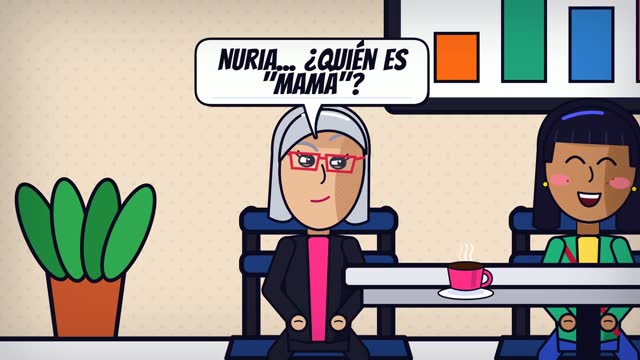
Nuria takes Javi home: Mamá, the village, the food, a storm, the sea
- Going home Make plans in the future and compare places
- Mamá’s house Describe the past and follow instructions in the kitchen
- Christmas Eve Give and talk about presents, describe bad weather
Side story: The Cíes Islands
No ferries in winter, a cousin with a boat, wolves in the old days, and a very seasick Don Ramón
- The Cíes Islands Talk about nature, weather and a trip; make plans that depend on something
A mystery in the building
Things vanish on Calle del Pez; Doña Elena investigates
- Something is missing Report what has happened; talk about someone, nobody, whose
- Where were you? Say what you were doing; give and ask for an alibi
- Clues Tell a story in the past: set the scene and say what happened
- The culprit Make a plan, apologise and explain what really happened
Summer in Andalucía
Trains, a hotel from hell, the beach, a new accent, a flamenco night
- Heading south Plan a trip, buy tickets, book a room
- At the hotel Check in, complain politely, ask for services and directions
- At the beach Say what has happened to you and explain health problems
- Flamenco night Tell the whole story of a trip, with feelings and opinions
Javi’s family comes to Madrid
Parents from Medellín, twenty-two relatives on video call, culture clashes, one very big dinner
- Wishes and requests Say what you want other people to do and what you hope
- Feelings about others Say how other people’s actions make you feel
- Advice and customs Give advice, explain customs, say why and what for
- Doubts and the big dinner Express doubt and probability, host a dinner, make a toast
Tomás’s wedding
A pastry-chef bride, a stag night nobody remembers, mariachis — and a missing ring
- When, before, until Talk about future events, plans and conditions in time
- The night nobody remembers Guess what happened and tell events in order in the past
- Nerves before the big day Explain worries, concede a point, describe people precisely
- The wedding Tell a love story, give a short speech, congratulate people
Moving in together
Nuria and Javi hunt for a flat, dream big, argue, compromise — Don Ramón is the landlord
- Flat hunting Look for a flat, read ads, describe what you need
- If only… Talk about dreams, unlikely wishes and hypotheses
- Who said what Pass on messages and report what people said and asked
- Living together Argue, compromise, write a formal complaint
The film shoot
A film crew takes over Calle del Pez: extras, the press, a star who quits, the premiere
- Lights, camera… Understand notices and instructions, talk about abilities
- On set Follow and repeat instructions, compare accents, talk about what would have been
- Opinions and the press Give and defend opinions, answer an interview, understand headlines
- Trouble on set Set conditions, explain mistakes and what should have happened
- The premiere Look back on a year, thank people, review a film, talk about the future
Save Calle del Pez
A developer wants the building: letters, a campaign, a town-hall debate — and a poet in Elena’s flat
- The letter Understand official letters and notices; describe actions, states and results with the passive
- The campaign Explain causes, consequences and purposes in speech and writing
- The debate Take part in a formal debate: concede, counter-argue, interrupt politely, hedge
- The building stays Report statements precisely with reporting verbs; summarise events and press coverage
La Esquina opens
Tomás and Marisa open a café: a business plan, hard bargaining, a flood, opening day — and twins on the way
- The business plan Set out a plan with precise conditions, risks and numbers
- Negotiating Negotiate: make, improve and reject offers diplomatically
- Everything is changing Describe changes and processes over time; say how things went wrong
- Opening day Use verbs that change meaning with se; praise, complain and react to news with nuance
Medellín
The abuela’s ninetieth: vos and usted, a secret from 1965 shared with Elena, a coffee farm — and the abuela’s blessing
- Across the ocean Handle international travel; sequence events precisely in time; express probability
- Vos, tú, usted Understand the main regional varieties of Spanish and adapt your own speech
- The abuela’s secret Talk about regrets and alternative pasts with the full conditional system
- The coffee farm Talk about the extreme, the unknown and the indefinite; ask the biggest question
Elena’s memoirs
Elena writes her life story: idioms, irony, a TV debate, a leaked chapter, the launch
- Once upon a time on Calle del Pez Narrate a long story vividly, choosing past tenses for meaning
- Say it with flair Use idioms, sayings, irony and colloquial registers; intensify and soften
- On air Give a structured talk, handle tough questions and hold your ground in public
- The book launch Handle any everyday or professional situation fluently: celebrate, reflect, speculate, persuade
Spanish grammar, step by step
Every rule is explained in plain English with a table, lines from the story and a quick check, in the order the story needs it.
Spanish vocabulary
Learn the words you will actually hear: common Spanish words grouped by topic, the most frequent first, each with a line from the story.
Spanish speaking practice
Speaking is part of every lesson. You hear a line from the scene, say it yourself, then play your recording next to the original and decide how close you were. Nothing is marked by a machine. You can also shadow the voice, speaking along with it. Your recordings stay on your device.
Review that sticks
Words and lines you have met come back in a short daily review, spaced out so each one returns just before you would forget it.
Watch, listen and read
- The full show. The whole story as TV episodes in Spanish. Just watch, no exercises.
- Story radio. Your finished scenes as audio, hands-free.
- Reading library. Short texts, interviews and radio shows in Spanish to read and listen to.
Meet the neighbours
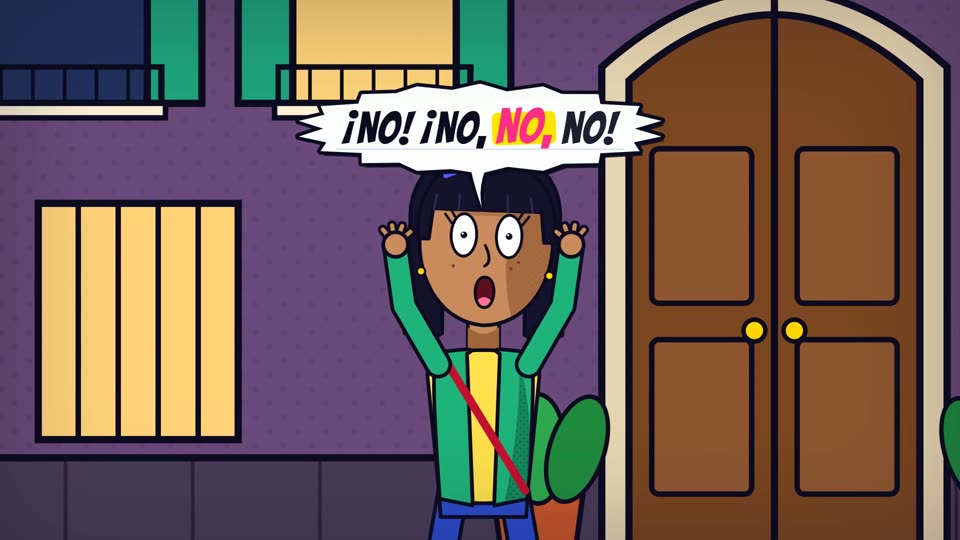
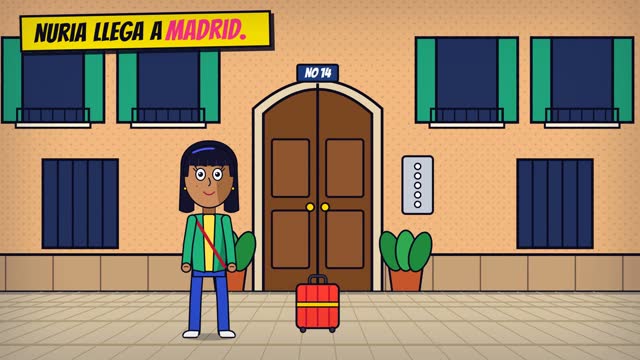
Nuria
New in Madrid, from a small village in Galicia. You learn alongside her.
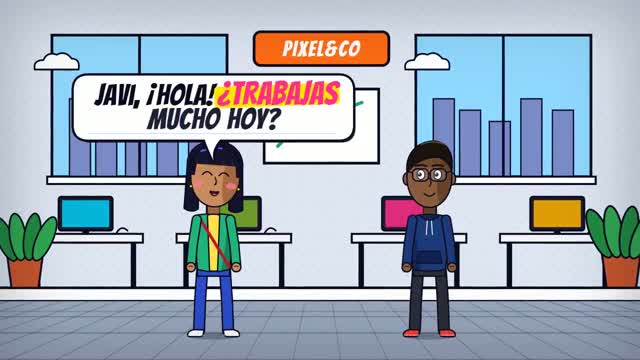
Javi
From Colombia. Works four jobs.
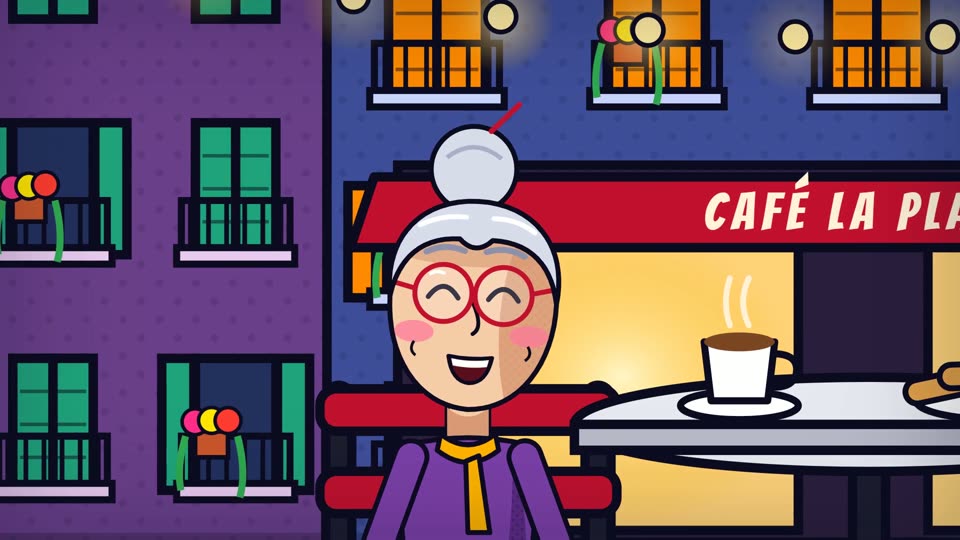
Doña Elena
The neighbour who knows everything.
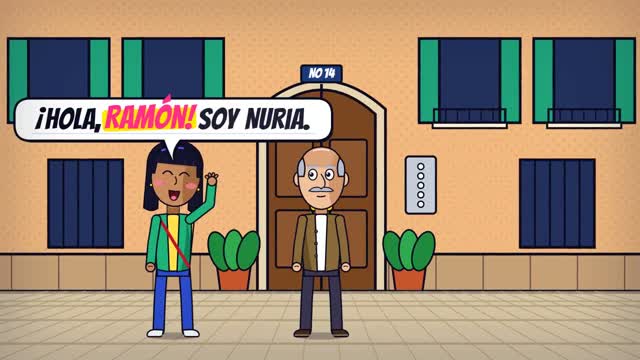
Don Ramón
Proudly grumpy.
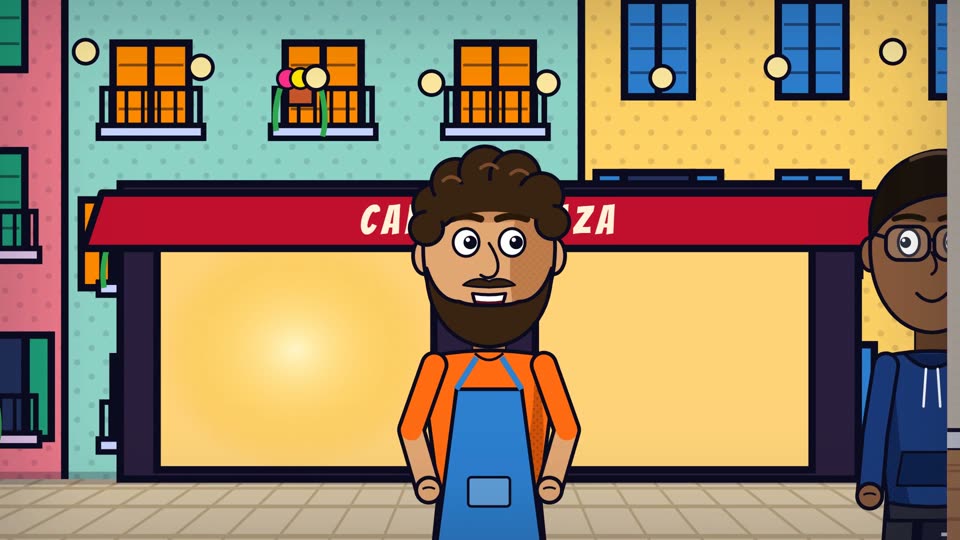
Tomás
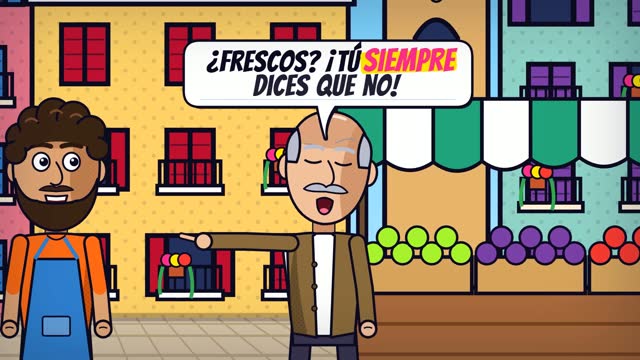
Sells fruit at the market.
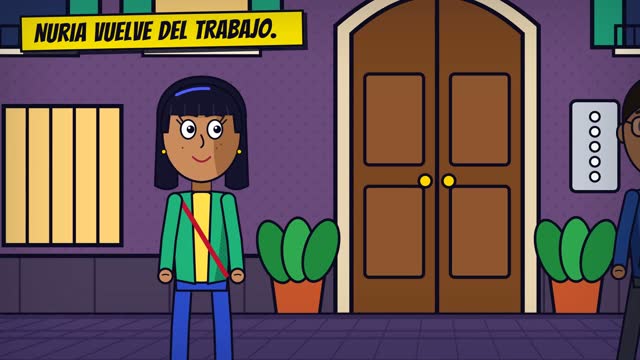
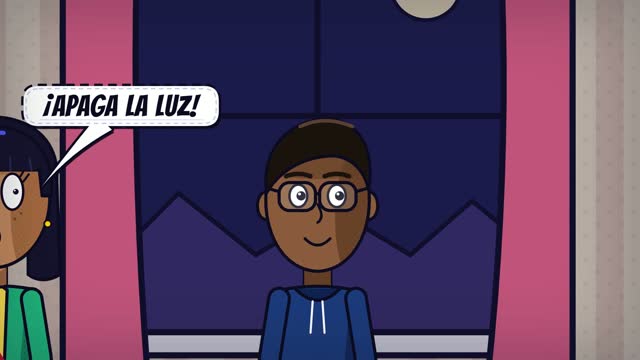
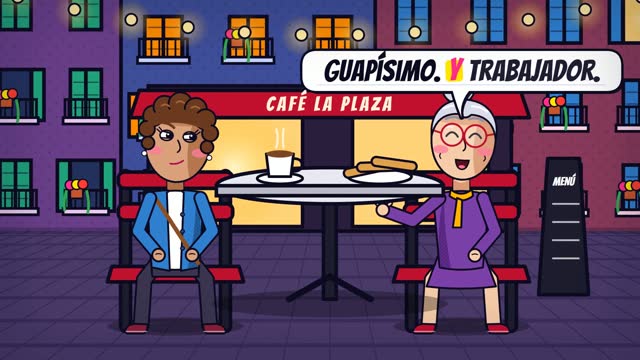
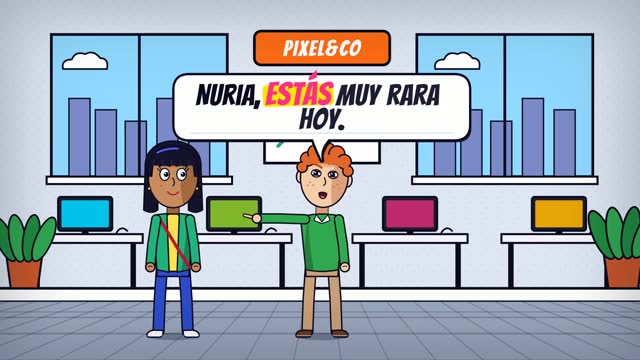
The Spanish stories
Questions about learning Spanish with Lexayo
Can I learn Spanish online for free?
Yes. The whole Spanish course on Lexayo is free: no ads, no account and nothing to pay. Open it in your browser and start with the first scene.
Is Lexayo good for Spanish beginners?
Yes. The Spanish course starts from the very first words (hello, yes and no, numbers) and adds one small grammar step at a time, in the order the story needs it.
How does a lesson work?
You watch a short animated scene in Spanish. It pauses to ask what was just said, shows the one grammar step behind it with a table and examples, and then you say the lines yourself.
How can I practise speaking Spanish?
In the speaking steps you hear a line, say it yourself, then play your recording next to the original line and rate how close you were. You can also shadow the voice. Recordings stay on your device.
How does review work?
Words and lines you have met come back in a short daily review, spaced out so each one returns just before you would forget it.
Do I need an account?
No. There is no sign-in. Your progress is saved on your own device, and you can export it in the settings.
Is there an app for iPhone or Android?
The iPhone and Android apps are on their way. Until then Lexayo runs in the web browser on any phone or computer.
Which language are the explanations in?
English. Every line of the story comes with an English translation.
Is it the same story in every language?
Yes. The characters and the street are the same; the Spanish course has its own voices and its own grammar steps.
Start with the first scene
Pick Spanish in the app and press play.
Start free